Plumbing
Our firm designs domestic water systems, including cold- and hot-water systems, water circulation systems, and private and municipal sewage and drainage infrastructure. All designs are prepared in accordance with applicable building regulations and the requirements of the Ministry of Health and the relevant authorities.
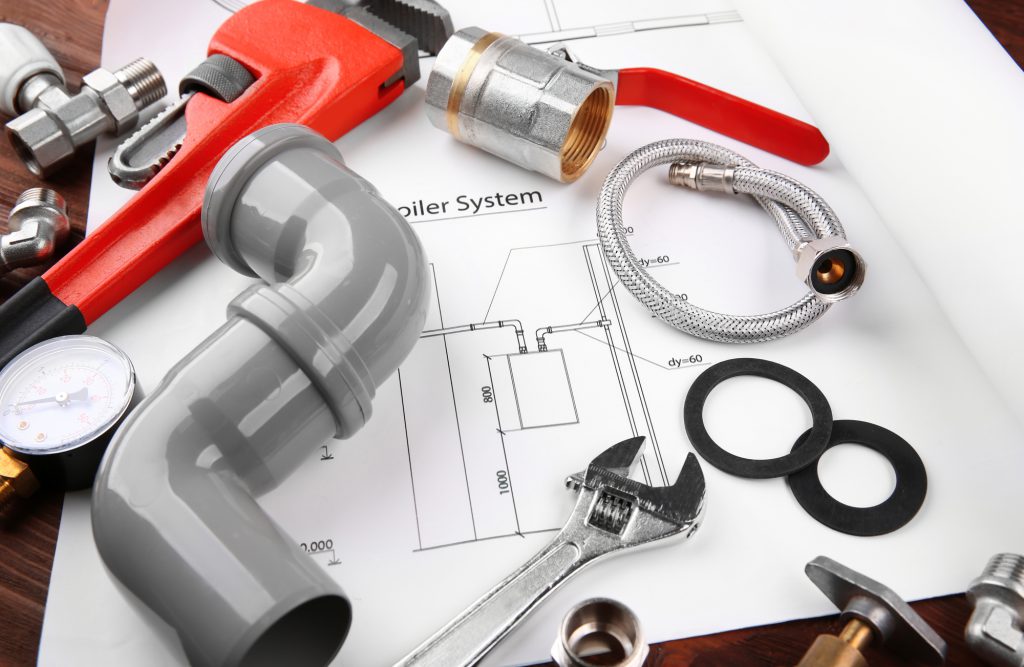
Plumbing Design
aving the opportunity to plan your home’s plumbing system yourself is a valuable advantage. Unlike purchasing a second-hand apartment or a contractor-built unit, building an apartment or private home from the ground up allows you to create high-quality plumbing systems using suitable materials, careful planning, and solutions tailored to your living environment.
למערכות אינסטלציה יכולה להיות השפעה קריטית על איכות החיים, ולעיתים תכנון לא נכון שלהן עלול להוביל לסבל מתמשך ולאף לעלויות גבוהות ופגיעה מסיבית ברכוש (אם לא יותר מכך, חס וחלילה). מערכות האינסטלציה, בין אם בבית הפרטיים ובין אם במבנים תעשייתיים או מסחריים הן המרכיבים החשובים ביותר בכל מבנה, ואת פירותיו של תכנון אינסטלציה טוב אפשר לקטוף בטווח הקצר, אך גם בעוד עשרות שנים.
Why Is Plumbing Design Necessary?
Although plumbing systems are often perceived as fixed and relatively simple systems that require little more than finding the easiest and most cost-effective way to integrate them into an existing or newly constructed building, the reality is considerably more complex. Unlike a home’s electrical system, for example, which allows a certain degree of flexibility after installation, such as adding another electrical outlet or lighting point, a poorly designed plumbing system can make daily life more difficult and negatively affect the overall living experience. Plumbing design involves numerous considerations, and only an experienced and reliable professional can properly guide you through this complex process.
Among the factors considered during the planning process are the number and location of water outlets in the home, the size of the kitchen, the number of bathrooms, the number of occupants, the water and sewage infrastructure in the area, the slope of the site on which the building is located, additional environmental constraints when building near other homes or within an existing building, and many other considerations.
You can probably think of a friend whose shower floods every few months, or someone who regularly deals with kitchen and bathroom blockages that disrupt the entire household. These problems are often the result of poor plumbing design that failed to fully account for the many factors involved in installing piping, water supply, and sewage systems.
What Does Plumbing Design Include?
As briefly outlined above, the first stage of planning your home’s plumbing system involves meeting with a qualified professional, who may be an engineer or another specialist in the field, depending on the size of the building and the applicable regulatory requirements. The professional will ask you a wide range of questions about the property and, where relevant, will also conduct a site visit to verify that the actual conditions correspond with the available plans and initial assumptions. The professional will then work with you to develop the plumbing design that best meets your needs. Several key considerations are taken into account during this process. First, as one might expect, the planned number of water outlets is a particularly important factor.
The number of bathrooms, sinks, laundry rooms, showers, kitchens, garden faucets, fountains, if any, and other water fixtures must all be taken into account when designing the piping system and ensuring sufficient water pressure at every outlet. Moreover, even the size of the shower or the number of people living in the home may affect the calculations, since the drainage requirements of a standard shower are not the same as those of a large Jacuzzi. The design must address even the smallest details in order to prevent unpleasant problems later on, which may be extremely difficult to correct. Another important consideration is the required drainage slopes.
This consideration is particularly important in apartments located within existing buildings that are undergoing complete renovation. The plumbing system of the renovated apartment must take into account both the needs of the other residents and the existing site conditions. A slope that is too shallow or unsuitable for the length of the pipe can lead to numerous problems over time. Slow drainage, the accumulation of debris, and frequent blockages are just some of the issues that may arise when the slope of the plumbing system is not properly suited to the way the home is used. In addition to the planning and layout of the piping throughout the building, careful consideration must also be given to the materials used by the installers.
A wide range of plumbing products is available on the market, and naturally, some materials are more reliable than others. Poor-quality materials used in your plumbing system—whether pipes, faucets, fittings, filters, or pumps—may cause significant inconvenience over the years at best, and serious damage at worst.
Leaks, blockages, the failure of individual water outlets, and even a complete system breakdown can all result—quite literally—from a plumbing system that was poorly designed or constructed using low-quality materials. Such a system may require frequent visits from a plumber and, in some cases, may even cause structural or infrastructure damage to your property or neighboring properties, resulting in substantial repair costs.
How Do You Know Whom to Contact for the Design?
Once you have decided to engage professional plumbing design services, it is important to choose an experienced and reliable company with many years of expertise, strong recommendations, and the ability to assess the site conditions and provide the solutions best suited to your needs. Sela Nahari employs leading professionals in the field of plumbing design and serves both private and commercial clients.
The company’s experts are highly experienced designers who can fully understand what you expect from your home or any other project in which you are involved. They will do everything possible to ensure that the system ultimately installed on your property serves you reliably and requires as little maintenance as possible. Considering the potential consequences of inadequate plumbing design, this is clearly not an area in which compromises should be made. Just as you would not compromise on the quality of the construction or the electrical system, you should not compromise on the plumbing system either.