Fire Sprinklers
Design of fire protection and sprinkler systems for residential buildings, parking facilities, shopping malls, and logistics centers in accordance with NFPA 13, with a strong emphasis on quality and safety.
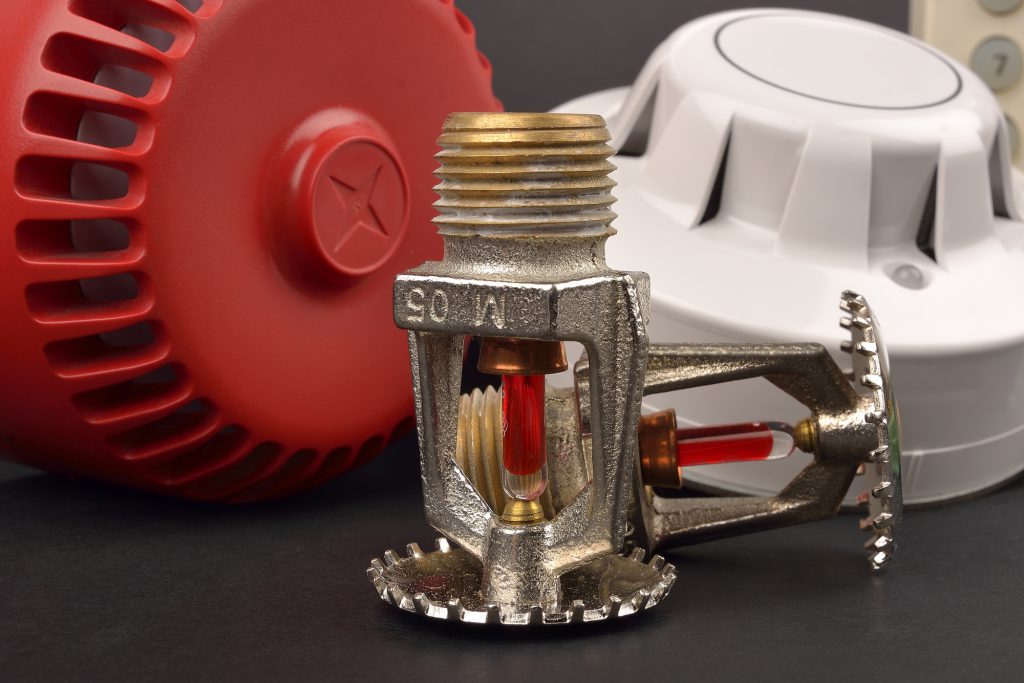
Fire Protection System Design
During the construction of a new building, every designer must address the issue of fire protection. To an outside observer, the process may appear relatively simple: connect a few pipes, ensure an adequate water supply, and that is all. Why all the complexity? Why are so many standards required, and why are the costs so high? After all, it is not rocket science. Moreover, in their eagerness to obtain the long-awaited Form 4 required for connecting the building to water and electricity infrastructure, some people may underestimate the importance of proper fire protection system design. They assume that it is a relatively straightforward matter that does not require extensive planning. In reality, this is far from the case. Fire protection system design is a highly complex field involving numerous consequences, considerations, technical requirements, and potential hazards.
Proper fire protection system design is literally a matter of saving lives, and disregarding applicable standards and guidelines may lead to disastrous consequences. In addition, installing an unsuitable system in your building may result in property damage and costs far greater than those associated with proper design and installation. In this article, we will clarify the key considerations, recommendations, and importance of designing fire protection systems correctly.
Why Is Fire Protection System Design So Important?
First, it is important to remember that, unlike many other building systems, such as lighting or drainage, fire protection systems do not get a second chance. These systems must function flawlessly the first time they are needed, as the consequences of failure can be severe. Fire protection systems are designed to limit the spread of a fire until the fire department arrives, thereby enabling the rapid evacuation of the building’s occupants and, in some cases, extinguishing the fire before it develops further.
In addition, fire protection systems provide real-time alerts when a fire is detected anywhere in the building. This enables occupants in other areas, as well as the relevant personnel when the building is unoccupied, to become aware of the incident and take the necessary action to extinguish it. This is one of the main reasons why fire protection system design requires careful planning. Second, the fire protection systems must be adapted to the specific characteristics and use of the building. During a site survey conducted by a company specializing in fire protection systems, its professionals will determine the building’s risk classification, assess the expected number of occupants in each space, evaluate the sensitivity and value of the equipment intended for each room, examine the building’s water supply, and consider additional relevant factors.
Numerous factors influence the selection of the most appropriate fire protection system for your building—one that will perform effectively during a fire while also providing maximum operational flexibility and preventing unnecessary damage to infrastructure and property. Finally, professional fire protection system design will not only enable you to obtain Form 4 and place into service the building in which you have invested considerable time and resources, but will also provide peace of mind, knowing that the building, the equipment within it, and its occupants receive the highest possible level of protection.
What Are the Potential Consequences of Poor Fire Protection System Design?
To illustrate the consequences of poor fire protection system design, consider two examples. The first is an improper match between the fire protection system and the building’s water supply infrastructure. For the system to operate effectively, it requires a stable, high-pressure water supply throughout all parts of the fire protection network, ensuring that every sprinkler discharges water efficiently and effectively toward the source of the fire. In many cases, the building’s regular water supply cannot meet this requirement, making it necessary to install a dedicated water supply assembly intended exclusively for the fire protection system. Without sufficient water pressure, the system may be almost as ineffective as having no fire protection system at all.
Sprinklers that are not supplied with water at sufficiently high pressure will be unable to control the fire, rendering them largely ineffective. A second example is the selection of a sprinkler system that is unsuitable for the environment in which the building is located. Without going into technical detail, the market offers systems designed for spaces containing expensive electronic equipment, systems suitable for extremely cold environments, simple and flexible systems that allow relatively easy modifications after installation, and many other options.
Each type of fire protection system has its own advantages and disadvantages, and the value of a skilled professional who can recommend the system best suited to your space cannot be overstated. In addition, different fire protection systems require different levels of maintenance, which is another important factor that must be taken into consideration.
So, What Should You Do?
Now that we have established that fire protection system design is a serious matter, it is essential to choose a professional, reliable, and experienced company. Such a company, employing highly qualified specialists in the field, will be able to advise you on the fire protection system best suited to your building, as well as install and maintain it so that it continues to serve you effectively for many years.
Choosing a high-quality and reliable company is even more important when it comes to fire protection system design than in most other fields. As the well-known saying goes, there are no second chances when lives are at stake. At Sela Nahari , we provide fire protection system design services carried out by highly experienced, professional, and skilled engineers who will deliver the right solution in the right way.